

Being a Teacher in Ireland
Applications are now closed for 2026.
PLEASE READ THE INFORMATION BELOW CAREFULLY BEFORE APPLYING FOR A PLACE ON THIS COURSE.
‘Being a Teacher in Ireland’ is a Bridging Programme aimed at teachers from immigrant backgrounds who hold international teaching qualifications at Primary and Post-Primary (Secondary) level, and who are now living in Ireland. It aims to provide additional knowledge, skills and confidence to enhance these teachers’ professional growth, and to help them to gain employment in schools in Ireland.
NOTE: This course does not address specific shortfalls identified in the Teaching Council registration process and does not provide a guarantee of employment. If you have queries about addressing Teaching Council registration shortfalls, please contact [email protected], providing details of the specific shortfalls identified, for advice on suitable courses.
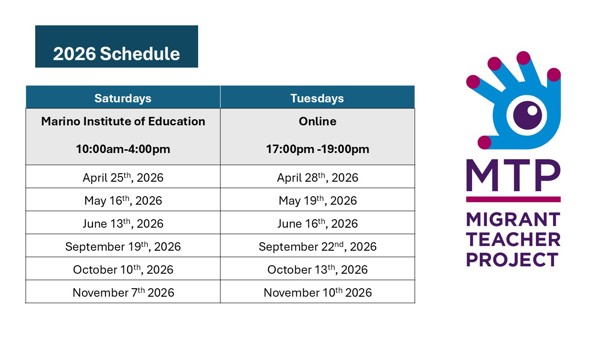
2026 Schedule
The dates for the 2026 programme are as follows. Participants will be advised if there is any change to the schedule.
Provisional Content
What will I learn?
The Being a Teacher in Ireland Bridging Programme focuses on six main themes.
-
History Structure Policy
-
Schools
-
Wellbeing and Inclusion
-
Curriculum and Classroom Management
-
Professional Development
-
Career Readiness
Through the lectures, workshops, online and school experience, you will develop an understanding of the Irish education system, and explore how schools and school cultures are influenced by their historical, sociological and political contexts. You will become familiar with current policy and practice in the Irish context, and reflect on the development of curriculum, assessment and pedagogies more broadly. The course also considers the role of a teacher as a professional in Ireland and advises about ongoing professional devlopment.
How will I learn?
Our approach aims to draw on the range of knowledge, experience and insight that teachers themselves bring to the programme as well as on carefully selected content and materials. You will reflect on your own professional practice individually and with your peers, and develop and apply your knowledge and skills an Irish context. The course is structured as follows:
- Face-to-face lectures / workshops (Saturdays)
- Online learning component
- School experience component (minimum 5 days)
How will I be assessed?
Questioning, feedback and online forums will provide opportunities for self, peer and tutor assessment and feedback throughout the course. You will complete a written reflection, to be submitted at the end of the programme. Teachers who complete the Bridging Programme successfully will receive a Certificate from the Marino Institute of Education.
Who are the course tutors?
The project team, Dr Rory Mc Daid and Dr Rhonda Wynne, are tutors alongside a wide range of guests and experts from across the Education Sector. This includes School principals, migrant teachers, state agencies, professional development bodies and teachers unions.
Dr Rory Mc Daid (Project Director)
Dr Rory Mc Daid is a Principal Lecturer at the Marino Institute of Education, where his teaching and research focuses on migration, inclusion 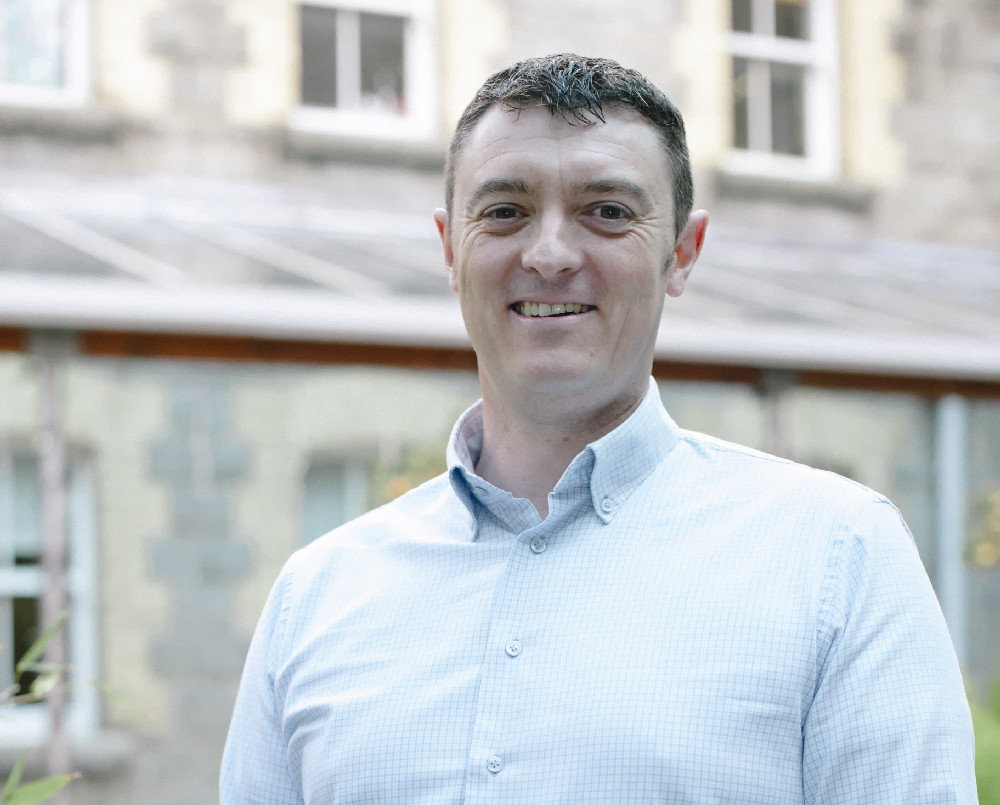 and the sociology of education. He is Director of the Migrant Teacher Project (MTP), a DEY-funded national initiative supporting internationally educated teachers to navigate pathways into the Irish teaching profession, and strengthening Ireland’s capacity to build a more diverse and inclusive teaching workforce. His research examines the experiences of migrant and internationally educated teachers in Ireland and the wider EU, with a particular interest in professional transitions, policy frameworks and equity in teacher recruitment.
Rory has led multiple funded research projects, including studies on Roma cultural mediation in Irish schools and the integration of Ukrainian teachers in Ireland. He is the President of the board of SIRIUS – Policy Network on Migrant Education and is a member of the editorial board of the European Journal of Inclusive Education, contributing to European-wide discussions on migration, education and social inclusion.
Dr Rhonda Wynne (Project Officer)
Rhonda is the Project Officer at the Migrant Teacher Project. She has worked in a variety of education settings, in Spain, the United States and Ireland.
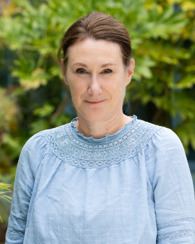
Her work has focused on including and supporting learners, from language students and mature students on university access programmes to teachers and adult educators on professional development programmes. She managed a number of European projects on Active Citizenship and researched the civic role of universities for her doctoral thesis.
What are the fees?
This Migrant Teacher Project Bridging Programme is financed by the Department of Education. We are delighted to be in a position to offer this course free of charge to successful applicants.
Who can apply?
Applicants for enrolment should:
- Hold a recognised teaching qualification (primary or post-primary schools) at graduate (level 8) or post-graduate (level 9) level.
- Have sufficient availability to
- attend lectures / workshops on a number of Saturdays in Marino Institute of Education, Dublin
- complete online activities
- complete at least 5 days school experience
- engage in relevant coursework.
- Have sufficient English language skills to participate fully in the programme (minimum B2 level, Common European Framework. See here for information about CEFR levels)
- Be prepared to comply with Child Protection requirements, including Garda Vetting and overseas police clearance as required.
NOTE: Enrolment in the Bridging Programme is subject to requirements set down by Marino Institute of Education and project funders. If the course is oversubscribed, selection criteria will apply. These selection criteria will take into account a range of factors which may include: readiness to work in schools in Ireland, registration with the Teaching Council of Ireland, relevant language skills, and other factors.
How do I apply for a place?
There are four steps in the enrolment process:
(dates are subject to change)
|
STEP |
DATES |
|
Closing Date 6th March 2026
|
|
March 2026 |
|
March 2026 |
|
March 2026 |
|
April 2026 |
Where can I get more information?
For more information about ‘Being a Teacher in Ireland’ please contact us by Email: [email protected]
The Migrant Teacher Project is financed by the Department of Education and Youth.
